Understanding EPA Lead Classes: Safeguarding Health and the Environment
EPA Lead Class I: Residential Property:
Class I primarily focuses on lead-based activities in residential properties where children under the age of six or pregnant women reside. These activities include lead-based paint abatement, renovation, remodeling, and maintenance.
Contractors and professionals working in Class I areas must be certified by the EPA Lead Classes to ensure compliance with specific guidelines for lead-safe work practices. This certification aims to minimize the risk of lead exposure during activities that may disturb lead-based paint.
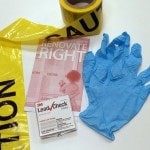
Homeowners and tenants in residential properties falling under Class I should be informed about potential lead hazards, and necessary precautions must be taken to protect occupants during renovations or maintenance work.
EPA Lead Class II: Child-Occupied Facilities:
Class II pertains to facilities where children under the age of six are present on a regular basis, such as daycare centers, preschools, and kindergarten classrooms. The focus is on lead-based paint activities that may pose risks to young children.
Similar to Class I, contractors and professionals working in Class II areas must be certified by the EPA. This ensures that lead-based activities are carried out with meticulous care to protect the health of children who may be more susceptible to lead exposure.
Owners and operators of child-occupied facilities are required to notify parents and guardians about any lead-based activities planned in the facility. This transparency helps parents make informed decisions regarding their child's safety.
EPA Lead Class III: Pre-Renovation Activities:
Class III is specific to activities involving the renovation, remodeling, or maintenance of structures that may disturb painted surfaces but do not fall into Class I or II. This includes commercial buildings, industrial facilities, and multi-family housing.
Contractors working in Class III areas are not required to be certified by the EPA Lead Renovation but they must follow specific work practices outlined by the agency. These practices aim to minimize lead exposure risks during renovation or maintenance activities.


Comments
Post a Comment